Bringing the Island Home
Yesterday, I was having a conversation with a coworker about health.
During our discussion, I shared a story I had heard years ago. Whether the story is real or hypothetical isn't important. What matters is the question it asks.
Imagine identical twin boys separated at birth.
One twin is raised in a typical modern environment. He eats the standard American diet, lives a largely indoor lifestyle, and is surrounded by all the conveniences, distractions, and stresses that many of us experience every day.
The other twin is raised on a pristine island.
He drinks clean water. He eats fresh fruits, vegetables, and naturally raised foods. He spends time outdoors, moves his body regularly, and grows up closely connected to nature.
Twenty years later, the twins are reunited.
Now ask yourself a simple question:
Which twin would likely be healthier?
Every person I have shared this story with has given the same answer.
"The island twin."
Nobody asks for scientific studies.
Nobody asks to see blood work.
Nobody asks for medical records.
They simply know.
This tells me something important.
Deep down, most people already understand the basic ingredients of health.
We know that clean water is generally better than sugary drinks.
We know that fresh foods are generally better than highly processed foods.
We know that movement benefits the body.
We know that sleep matters.
We know that spending time outdoors can positively affect our physical and mental well-being.
If we already know these things, then perhaps the greatest obstacle to health is not a lack of knowledge.
Perhaps the deeper question is:
If we know what contributes to health, what prevents us from following that path?
For years, I believed that many problems could be solved simply by providing more information.
But life has shown me that information alone rarely creates transformation.
Most people do not struggle because they lack knowledge.
They struggle because they are human.
They are busy.
They are tired.
They are stressed.
They are overwhelmed.
They are caring for children, parents, spouses, coworkers, and everyone else around them.
Many are simply trying to make it through the day.
When we look deeper, we begin to see that our choices are heavily influenced by our environment.
Our environment shapes our beliefs.
Our beliefs shape our actions.
Our actions shape our results.
The island twin wasn't healthier because he possessed superior knowledge.
He was healthier because he lived in an environment that naturally supported healthier habits.
The modern twin may have known exactly what he should do.
Yet every day he was surrounded by influences pulling him in a different direction.
Convenience.
Advertising.
Stress.
Time pressure.
Emotional eating.
Social expectations.
Old habits.
Learned behaviors.
This is why I no longer believe that lasting change begins with perfection.
It begins with awareness.
It begins by recognizing that our environment is influencing us, whether we realize it or not.
As my coworker and I continued talking, another perspective emerged.
Many of the choices we make may not be entirely within our conscious control.
That statement can sound uncomfortable at first, but stay with me.
Imagine taking a drive through most cities.
What do you see?
Fast-food restaurants.
Coffee shops.
Doughnut stores.
Pizza restaurants.
Convenience stores.
Advertisements encouraging us to consume.
Movie theaters.
Drive-throughs.
Now ask yourself:
Where are the signs encouraging us to drink more water?
Where are the advertisements reminding us to get more sleep?
Where are the messages encouraging us to take a walk, grow our own organic garden, spend time in nature, prepare a healthy meal or drink more water?
The island child grows up surrounded by signals that support health.
Many of us grow up surrounded by signals that encourage consumption.
This realization is not meant to remove responsibility.
It is meant to remove shame.
Many people are doing the best they can while navigating environments that constantly pull them away from the very outcomes they desire.
When we understand this, we can stop asking:
"What's wrong with me?"
And begin asking:
"What environment am I trying to grow in?"
The good news is that hope still exists.
Most of us cannot uproot our lives and move to a pristine island.
But perhaps we can ask a different question:
How can we bring a little bit of the island into our current environment?
Maybe bringing the island home means keeping water within reach, adding one extra glass a day.
Maybe it means adding one serving of fruits or vegetables to a meal.
Maybe it means taking a short walk after dinner.
Maybe it means getting one hour of better sleep.
Maybe it means spending less time consuming content that leaves us stressed and more time engaging with people, activities, and ideas that support our well-being.
Maybe it means stepping outside to watch a sunrise, feel the breeze, or simply reconnect with the world around us.
Maybe it means making one small decision, repeated often enough to become a new habit.
The goal is not perfection.
The goal is progress.
The goal is not to recreate the entire island overnight.
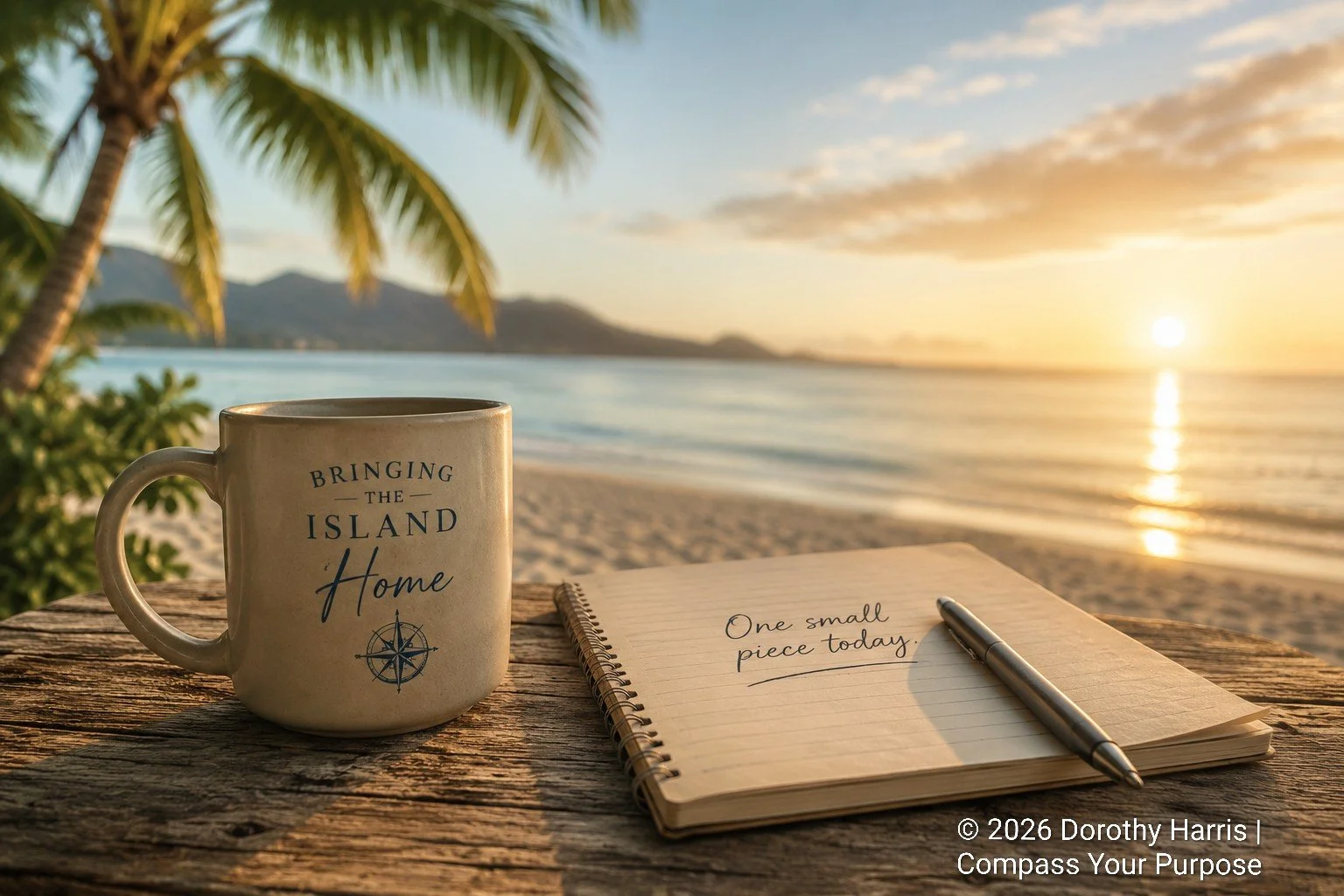
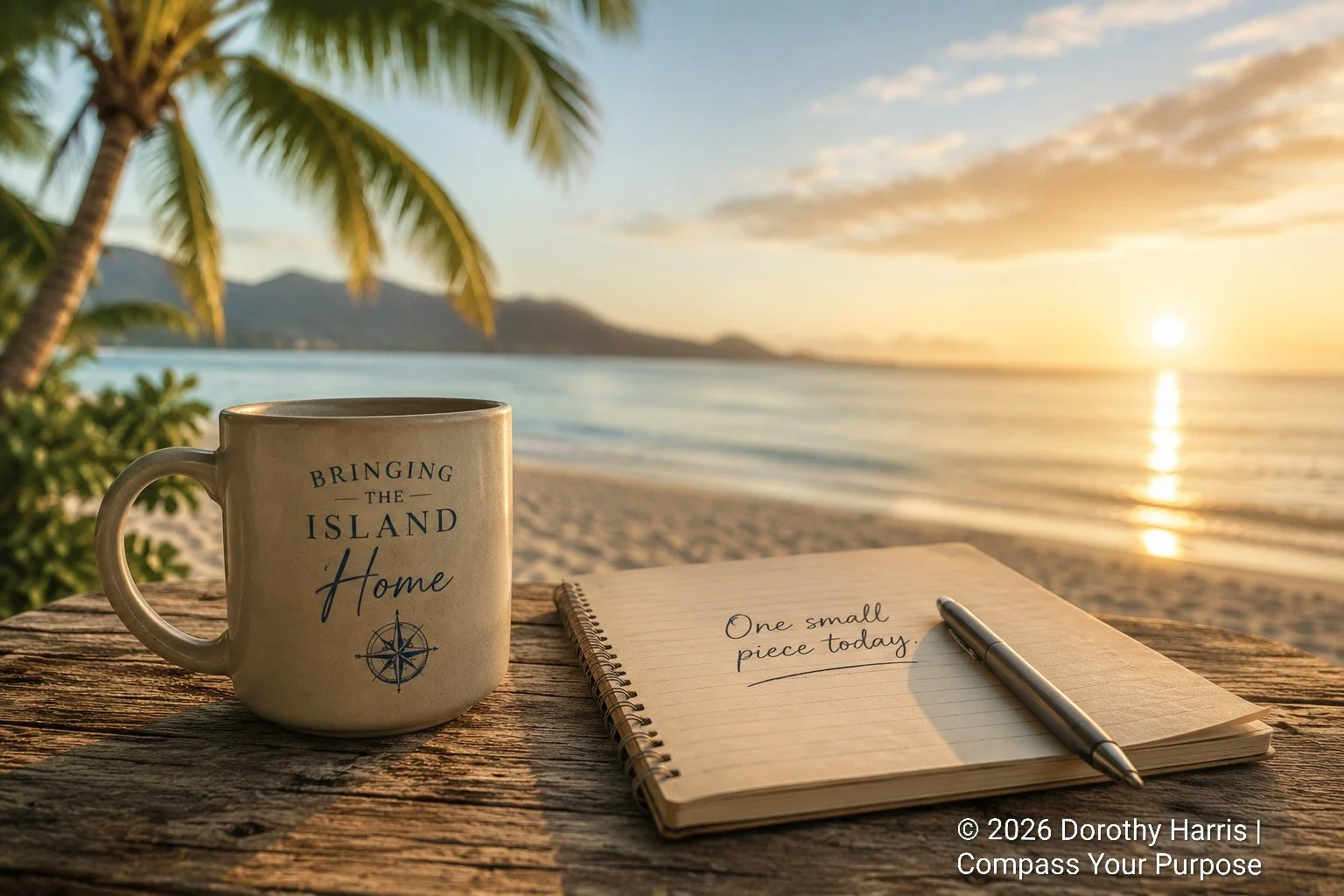
The goal is to bring one small piece of the island into our lives today.
Because small changes influence our environment.
Our environment influences our beliefs.
Our beliefs influence our choices.
Our choices influence our habits.
Our habits influence our actions.
And our actions influence our results.
The twin story reminds us that most people already know what contributes to health.
The challenge is not discovering the path.
The challenge is creating an environment that makes walking the path a little easier.
So perhaps the question isn't whether we can move to the island.
Perhaps the better question is:
If you could bring one small piece of the island into your life today, what would it be?